
Why the Right Mattress Can Help Sleep Apnea
Tue Nov 04 2025
- Sleep Health & Conditions
- Adjustable Bases, Foundations & Elevated Sleep
Sleep apnea affects millions of Americans, causing interrupted breathing throughout the night. These disruptions can lead to snoring, tossing and turning, and waking up feeling unrested, even after a full night’s sleep. While there are various ways to manage sleep apnea, one important factor that often goes overlooked is your mattress.
The right mattress can make a significant difference in improving airflow, reducing pressure points, and supporting a healthier sleeping posture. At Mattress Direct, we help customers find sleep solutions that enhance comfort and support, so you can wake up feeling refreshed and ready to take on the day.

How Mattress Support Impacts Sleep Apnea
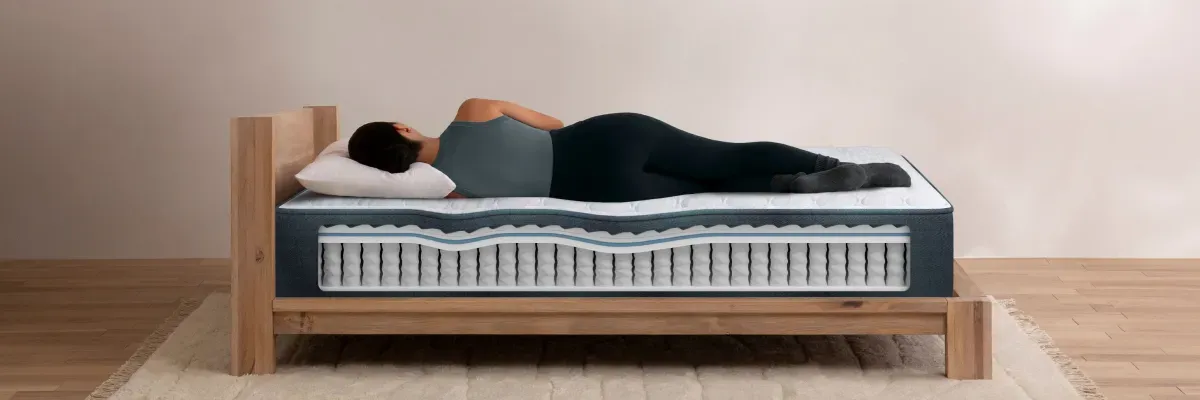
Your sleeping position and mattress work together to affect how well your airway stays open during sleep. A mattress that’s too soft or too firm can cause the neck and spine to fall out of alignment, putting extra pressure on the airway.
Here’s how proper support can help:
-
Promotes Optimal Alignment: A supportive mattress keeps your spine, neck, and shoulders aligned, which helps reduce airway obstruction.
-
Reduces Pressure on the Chest and Throat: Contoured support minimizes compression, allowing for easier breathing.
-
Encourages Better Sleep Positions: Certain positions, like sleeping on your side, can reduce snoring and breathing interruptions, and the right mattress can make that position more comfortable and sustainable.
By maintaining a healthy posture during sleep, your mattress helps your body breathe more naturally.

Mattress Types That Can Help With Sleep Apnea
When shopping for a new mattress, it’s essential to look for one that promotes comfort, alignment, and breathability. Here are some of the best mattress types for those who experience sleep apnea or other breathing disruptions at night.
Memory Foam Mattresses
Memory foam mattresses conform to your body, offering personalized support that keeps your spine aligned and reduces pressure on the throat and shoulders. Look for memory foam with cooling technology to maintain airflow and prevent overheating, a common issue that can disrupt sleep.
Hybrid Mattresses
Hybrid mattresses combine supportive coils with layers of foam, offering a balanced feel that prevents sinking while still cushioning your joints. The coil system promotes airflow, which helps regulate temperature and supports steady breathing.
Innerspring Mattresses
Innerspring mattresses, often referred to as traditional mattresses, are built with a network of steel coils that provide strong, responsive support. For sleepers who prefer a firmer, more elevated surface, innerspring mattresses can help maintain better posture and alignment, both of which are important for comfortable breathing at night.
The Benefits of Adjustable Beds for Sleep Apnea
One of the most effective sleep products for improving breathing comfort is an adjustable bed base.
Adjustable beds allow you to raise your head and upper body slightly, a position known as “zero gravity”, which helps keep your airway open. This gentle incline can minimize snoring, reduce acid reflux, and alleviate sinus pressure.
Benefits of adjustable beds include:
-
Improved airflow and reduced snoring
-
Less strain on your back and joints
-
Enhanced circulation and muscle relaxation
-
Customizable comfort settings for reading or relaxing
Pairing an adjustable base with a supportive mattress gives you full control over your sleep environment, helping you find the most comfortable position for easier breathing.

Best Sleep Positions for Easier Breathing
The position you sleep in also plays a role in managing sleep quality.
-
Side sleeping: Often recommended for people who snore or experience sleep apnea. It helps keep the airway open and reduces throat compression.
-
Elevated back sleeping: If you prefer sleeping on your back, an adjustable bed can raise your upper body slightly to reduce airway pressure.
-
Avoid stomach sleeping: This position can strain the neck and restrict airflow, making breathing more difficult.
A mattress that adapts to your preferred position ensures consistent support and comfort, essential for uninterrupted rest.
Mattress Features to Look For
When shopping for a mattress that supports better breathing and overall sleep health, focus on features that enhance comfort and airflow:
-
Pressure Relief: Look for adaptive foam or hybrid designs that contour to your shoulders and hips without letting you sink too deeply.
-
Temperature Regulation: Cooling materials, breathable covers, and gel-infused foams help maintain a comfortable temperature throughout the night.
-
Edge Support: A reinforced perimeter can make getting in and out of bed easier, especially if you need to sit upright before lying down.
-
Motion Isolation: Helps reduce sleep disturbances if you share your bed with a partner.
These qualities not only improve sleep quality but also support healthy breathing patterns by promoting consistent comfort and alignment.
Sleep Accessories That Can Support Better Rest
In addition to a supportive mattress, a few key accessories can enhance your overall comfort and help create a more restful sleep environment:
-
Pillows: The right pillow can help maintain proper head and neck alignment. Consider adjustable or contoured pillows from Mattress Direct designed to support your sleeping position.
-
Mattress Protectors: A breathable, hypoallergenic mattress protector can keep your sleep surface clean and reduce allergens that may contribute to breathing issues.
-
Bedding Materials: Choose moisture-wicking and cooling sheets that promote temperature balance, helping you stay comfortable through the night.
Together, these small upgrades can make a big difference in your nightly comfort and overall sleep quality.
When to Consider a New Mattress
If you’ve been experiencing restless nights, frequent tossing and turning, or morning stiffness, your mattress could be a contributing factor. Over time, mattresses lose their ability to properly support your body, leading to poor alignment and increased discomfort.
Replacing your mattress every 7-10 years ensures you maintain consistent support and comfort. Modern mattress materials, especially hybrid and adjustable options, are specifically engineered to help you rest deeper and breathe easier.

Shop Sleep Solutions for Apnea and More at Mattress Direct
At Mattress Direct, we believe that the right sleep setup can make all the difference. From adjustable bed bases to breathable hybrid mattresses, our team is here to help you find the perfect match for your unique comfort needs.
Whether you’re looking to reduce snoring, improve sleep posture, or simply enjoy a better night’s rest, we carry a wide range of mattresses and sleep accessories to help you achieve your goals.
We carry a selection of all your sleep needs from top brands in the industry such as Beautyrest, Serta, Sealy, Tempur-Pedic, Aireloom, and more, so our customers can experience the best of the best when shopping for mattresses and sleep accessories.
Contact us today or visit your local Mattress Direct showroom today in Louisiana or Mississippi.
Related Readings from our blog:
FAQs: Why the Right Mattress Can Help Sleep Apnea
What type of mattress is best for sleep apnea?
Memory foam, hybrid, and innerspring mattresses that provide proper spinal alignment and contouring support are often recommended for people who experience sleep apnea symptoms.
Can an adjustable bed help with snoring and breathing issues?
Yes. Adjustable bed bases let you elevate your head slightly, which can help open your airway and reduce snoring or mild breathing disruptions.
Does mattress firmness affect sleep apnea?
A mattress that’s too soft may cause your body to sink, while one that’s too firm may create pressure points. A medium to medium-firm mattress is often ideal for balanced comfort and support.
How often should I replace my mattress for better sleep quality?
Most experts recommend replacing your mattress every 7-10 years, depending on the material and usage. A newer mattress can offer better alignment and overall comfort.
Can pillows make a difference in managing sleep apnea?
Absolutely. A supportive pillow that keeps your head slightly elevated and aligned can help improve breathing comfort, especially for side sleepers.
Related Articles