
Signs of Sleep Apnea
Thu Mar 12 2026
- Sleep Health & Conditions
Most people expect to feel rested after a full night of sleep. If you are spending seven to eight hours in bed but still waking up exhausted, something may be interfering with your rest. One common and often overlooked cause is sleep apnea.
Sleep apnea is a condition that disrupts breathing during sleep. These pauses in breathing can happen dozens or even hundreds of times per night, often without you realizing it. Over time, untreated sleep apnea can affect your energy, focus, mood, and overall health.
Here is how to recognize the most common signs and when it may be time to talk to a healthcare provider.

What Is Sleep Apnea?
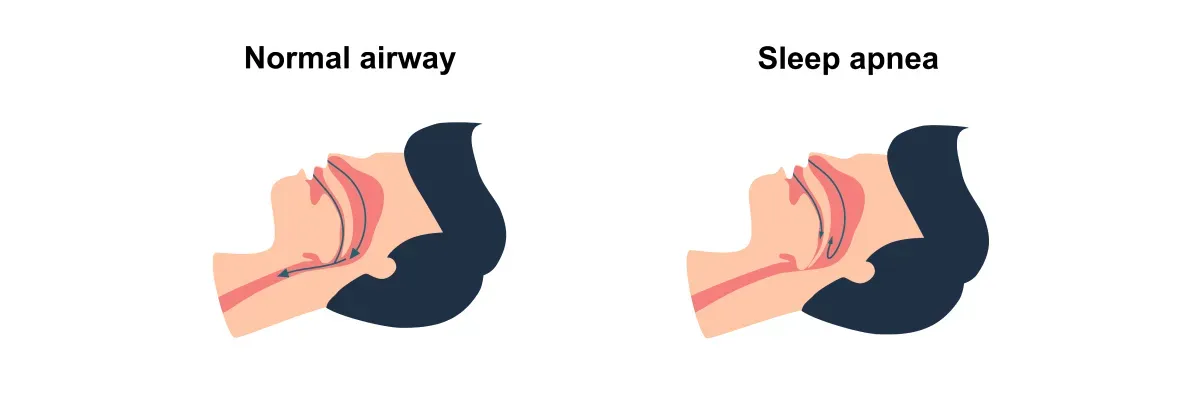
Sleep apnea occurs when breathing repeatedly stops and starts during sleep. The most common type is obstructive sleep apnea, which happens when the muscles in the throat relax and block the airway.
Because these interruptions happen while you are asleep, many people are unaware of the problem until a partner mentions it or symptoms become more noticeable during the day.
Common Nighttime Signs of Sleep Apnea
Many symptoms appear while you are asleep. If you share a bed, a partner may notice these first. Nighttime signs are often the clearest indicators because they directly reflect disrupted breathing patterns.
Loud, Chronic Snoring
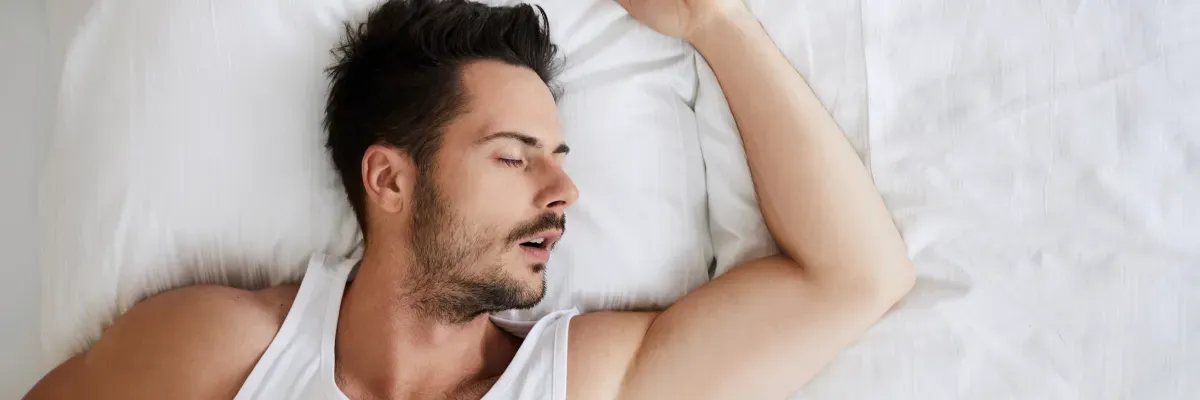
Snoring that happens most nights and is unusually loud can be a key warning sign. With sleep apnea, snoring is often persistent and may be described as disruptive or intense. It may also vary in volume throughout the night as breathing becomes partially blocked and then resumes.
Snoring alone does not always indicate sleep apnea, but when it is accompanied by breathing pauses, gasps, and disrupted sleep, it should not be ignored.
Pauses in Breathing
A partner may notice that you stop breathing for short periods and then suddenly start again. These pauses can last several seconds and may occur repeatedly throughout the night. They are often followed by a gasp, snort, or choking sound as the body works to reopen the airway.
Gasping or Choking Sounds
Sudden gasps, choking noises, or snorting sounds during sleep can signal blocked airflow. These sounds typically happen when oxygen levels drop, and the brain briefly wakes the body to restore normal breathing. Even if you do not remember waking up, your sleep cycle is being interrupted.
Restless or Fragmented Sleep
Frequent tossing and turning may be your body reacting to interrupted breathing. You may wake up multiple times without realizing it, shift positions often, or feel like you never reach deep, restorative sleep. This fragmented pattern prevents your body from fully recovering overnight.
Waking With a Dry Mouth or Sore Throat
Breathing through your mouth during the night can leave you feeling dry and uncomfortable in the morning. Some people also experience a sore throat upon waking. This can happen when the airway is partially blocked, and the body compensates by breathing through the mouth.
Daytime Symptoms You Should Not Ignore
Because sleep apnea disrupts deep, restorative sleep, the effects often show up during the day. Here are some daytime symptoms that can often be associated with sleep apnea.
-
Excessive daytime sleepiness: Feeling extremely tired even after a full night in bed is one of the most common signs.
-
Morning headaches: Reduced oxygen levels overnight can lead to headaches when you wake up.
-
Difficulty concentrating: Brain fog, forgetfulness, and trouble focusing are common.
-
Irritability or mood changes: Poor sleep can impact emotional regulation and increase stress.
-
Falling asleep unintentionally: Dozing off while watching TV, reading, or even driving is a serious warning sign.
If daytime fatigue is interfering with work, relationships, or daily tasks, it is worth investigating the cause.
Risk Factors for Sleep Apnea
Certain factors can increase the likelihood of developing sleep apnea. According to the National Institutes of Health, some of these risk factors include the following.
-
Excess weight: Extra tissue around the neck can narrow the airway.
-
Neck circumference: A thicker neck may mean a smaller breathing passage.
-
Family history: Genetics can play a role in airway structure.
-
Nasal congestion: Ongoing congestion can make breathing more difficult at night.
-
Age: Risk increases with age.
Even people without obvious risk factors can develop sleep apnea, so symptoms should always be taken seriously.

Why Sleep Apnea Matters
Untreated sleep apnea does more than make you tired. Over time, it can increase the risk of serious health issues, including high blood pressure, heart problems, and type 2 diabetes. Interrupted oxygen levels and fragmented sleep place stress on the body.
Addressing sleep apnea can improve energy levels, mental clarity, and overall quality of life.
When to Talk to a Doctor
If you recognize several of these signs, especially loud snoring combined with daytime sleepiness, consider speaking with your healthcare provider. A sleep study may be recommended to confirm a diagnosis.
Treatment options vary and may include lifestyle changes, CPAP therapy, oral appliances, or other medical interventions. The right solution depends on the severity of the condition and your individual health profile.
Can Your Mattress or Pillow Help?
While bedding cannot cure sleep apnea, the right sleep setup can support better overall rest. For example:
-
Supportive mattresses: Proper spinal alignment may help reduce discomfort and improve sleep position.
-
Adjustable bases: Elevating the head slightly can promote better airflow for some sleepers.
-
Pressure-relieving pillows: A pillow that keeps your neck aligned can support a healthier breathing posture.
Need Help Choosing the Right Mattress?
If you are exploring ways to improve your sleep environment, visiting a showroom to test supportive mattresses and adjustable bases can be helpful. At Mattress Direct, our team can walk you through options that complement your overall sleep health plan.
Contact us or visit your local Mattress Direct showroom today in Louisiana or Mississippi to explore top-rated mattresses that support better sleep and a more relaxed night. We’re here to help you discover a wide range of top-rated mattresses, bedding, and adjustable bases.
Related readings from our blog:
FAQs: Questions About Sleep Apnea
Can sleep apnea go away on its own?
In some cases, mild sleep apnea may improve with weight loss or lifestyle changes. However, many people require medical treatment to manage symptoms effectively.
Is sleep apnea dangerous?
Yes. Untreated sleep apnea can increase the risk of heart disease, stroke, high blood pressure, and other serious conditions.
Can children have sleep apnea?
Yes. Children can develop sleep apnea, often due to enlarged tonsils or adenoids. Pediatric symptoms may include snoring, bedwetting, or behavioral issues.
What should I do if I think I have sleep apnea?
Start by speaking with your healthcare provider. They may recommend a sleep study to evaluate your breathing patterns overnight and determine the best treatment plan.
Recognizing the signs of sleep apnea is the first step toward better sleep and better health. If you are constantly tired despite spending enough time in bed, do not ignore the symptoms. A proper diagnosis and the right sleep support can make a meaningful difference in how you feel each day.
Related Articles