
How to Choose Bed Linens for Comfort and Longevity
Tue Jan 13 2026
- Sleep Tips & Lifestyle
- Bedding, Pillows & Linens
Choosing the right bed linens can make a noticeable difference in how well you sleep and how long your bedding lasts. Sheets that feel great on night one but wear out quickly or become uncomfortable over time are rarely worth it. The best bed linens strike a balance between comfort, durability, and easy care.
Whether you are replacing worn-out sheets or upgrading your entire sleep setup, this guide will walk you through what to look for so you can choose bed linens that feel good, hold up well, and support better sleep night after night.
Start With Fabric Type
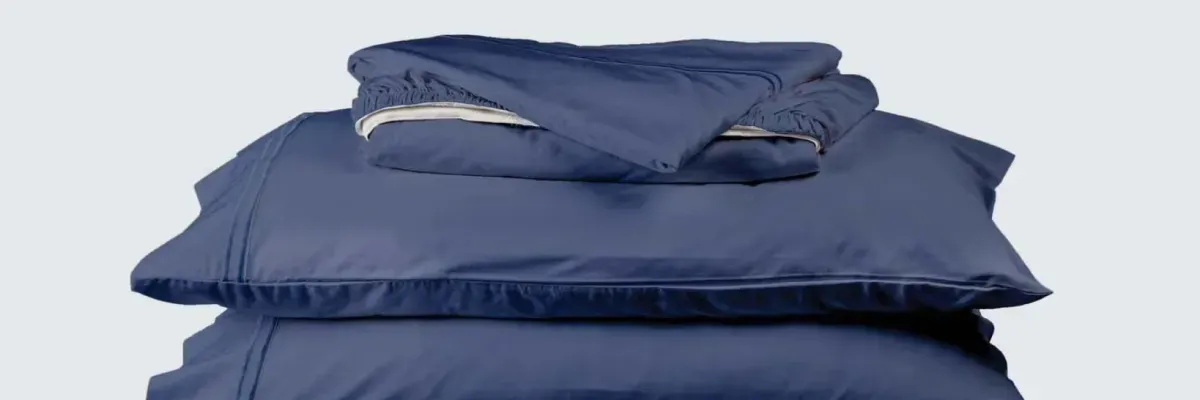
To decide what the best bed sheets are for comfort, we must first consider the fabric. The fabric of your bed linens plays the biggest role in how they feel, breathe, and perform over time. Here are some of the most popular options and who they are best for.
Cotton
Cotton is one of the most common and versatile sheet materials. It is breathable, durable, and easy to care for.
Cotton sheets are great for:
-
These sheets work well for everyday comfort in a wide range of sleep environments.
-
They are a solid option for hot or combination sleepers who need breathability.
-
They are easy to maintain with regular washing and drying.
What to know:
-
Long-staple cotton tends to be stronger and becomes softer with repeated washing.
-
The weave often has a bigger impact on comfort than thread count alone.
Egyptian Cotton
Egyptian cotton is a premium type of cotton made from extra-long staple fibers, which create smoother and more durable sheets.
Egyptian cotton sheets, like TEMPUR’s cooling sheet set, are best for:
-
These sheets are ideal for shoppers who want a luxury look and feel.
-
They are well-suited for people who prioritize long-term durability.
-
The fabric becomes softer and more comfortable with regular washing.
What to know:
-
True Egyptian cotton should be certified to ensure authenticity.
-
It is typically more breathable and longer-lasting than standard cotton.
Bamboo-Derived Fabrics
Bamboo sheets can be made using several different processes, which affect how they feel and perform.
Bamboo Rayon and Bamboo Viscose
These are the most common bamboo-based sheets on the market. They are made by processing bamboo pulp into soft fibers.
Bamboo sheets are best for:
-
These sheets are a strong choice for hot sleepers who need cooling comfort.
-
They work well for people with sensitive skin.
-
They appeal to sleepers who prefer a silky, lightweight feel.
What to know:
-
The fabric is very soft and naturally moisture-wicking.
-
Gentle washing is recommended to help maintain softness and longevity.
Tencel
Tencel is made from sustainably sourced wood pulp and is known for its smooth, cool feel and excellent breathability.
TENCEL™ sheets are best for:
-
Tencel sheets are well-suited for hot sleepers who want a cool sleep surface.
-
They are a good option for people with allergies or sensitive skin.
-
They appeal to shoppers looking for an eco-conscious bedding option.
What to know:
-
Tencel is naturally moisture-wicking and resistant to bacteria.
-
The fabric holds up well over time when properly cared for.
Microfiber
Microfiber sheets are made from finely woven synthetic fibers and are often more budget-friendly.
Best for:
-
These sheets are a good choice for shoppers who want wrinkle-resistant bedding.
-
They work well for low-maintenance sleep setups.
-
They are often used in guest rooms or kids' beds.
What to know:
-
Microfiber sheets feel soft to the touch but are less breathable than natural fibers.
-
They can retain heat for some sleepers.
Understand Thread Count and Weave
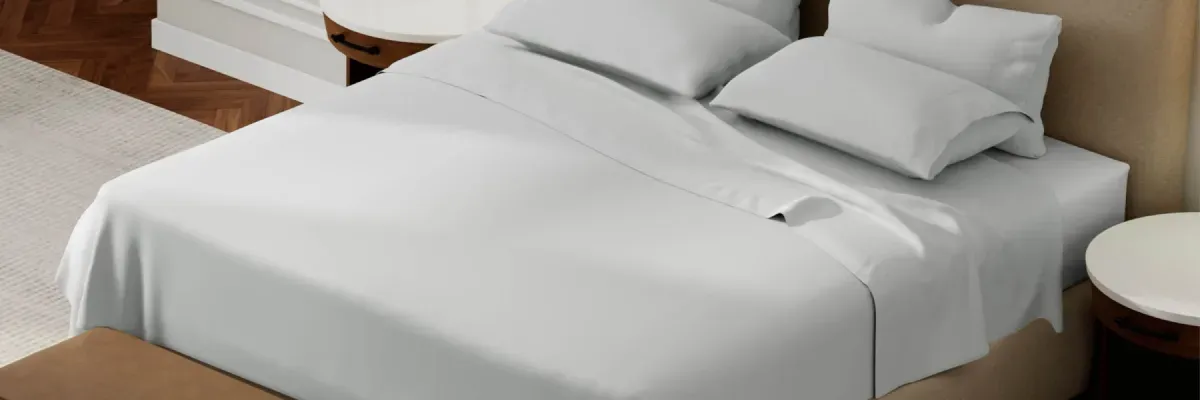
Thread count is often marketed as the most important factor in sheet quality, but it is only part of the story.
-
A thread count between 300 and 500 is usually ideal for comfort and durability.
-
Extremely high thread counts can indicate thinner, less durable fibers.
Weave matters just as much:
-
Percale is crisp, lightweight, and breathable.
-
Sateen is smooth, slightly heavier, and warmer.
Choosing the right weave depends on whether you prefer a cool, hotel-like feel or a softer, more draped texture.
Consider Your Sleep Temperature
Your body temperature plays a big role in how comfortable your sheets feel throughout the night.
If you sleep hot, look for:
-
Breathable materials like cotton, linen, bamboo, or Tencel.
-
Percale weaves instead of sateen.
If you sleep cold, consider:
-
Flannel or sateen cotton.
-
Slightly heavier fabrics that retain warmth.
Matching your bed linens to your sleep temperature can help reduce night sweats or chills and lead to more consistent rest.
Think About Durability and Care
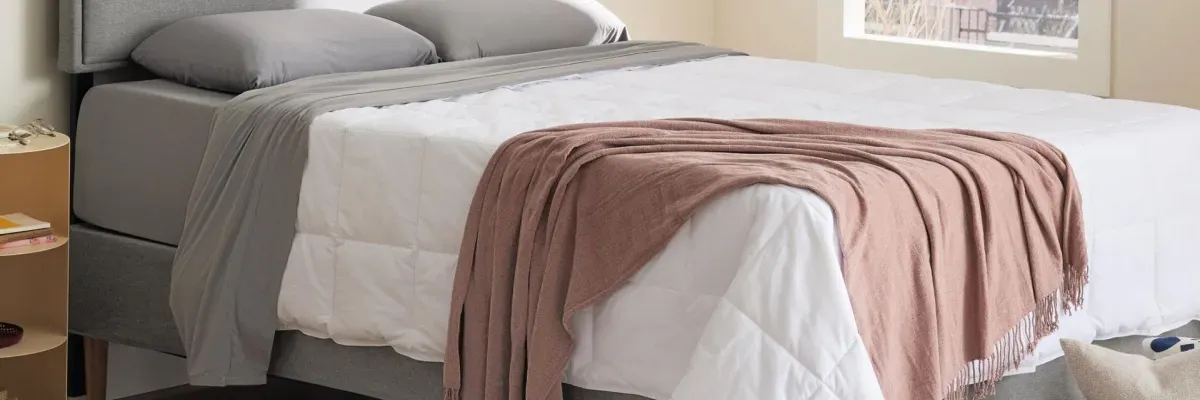
Comfort matters, but longevity is just as important. Sheets that require complicated care or wear out quickly can be frustrating.
For long-lasting bed linens:
-
Follow the washing instructions carefully.
-
Avoid harsh detergents and excessive heat.
-
Rotate between at least two sets of sheets.
Natural fibers like cotton, linen, and Tencel tend to hold up best over time when properly cared for.
Fit and Finish Matter
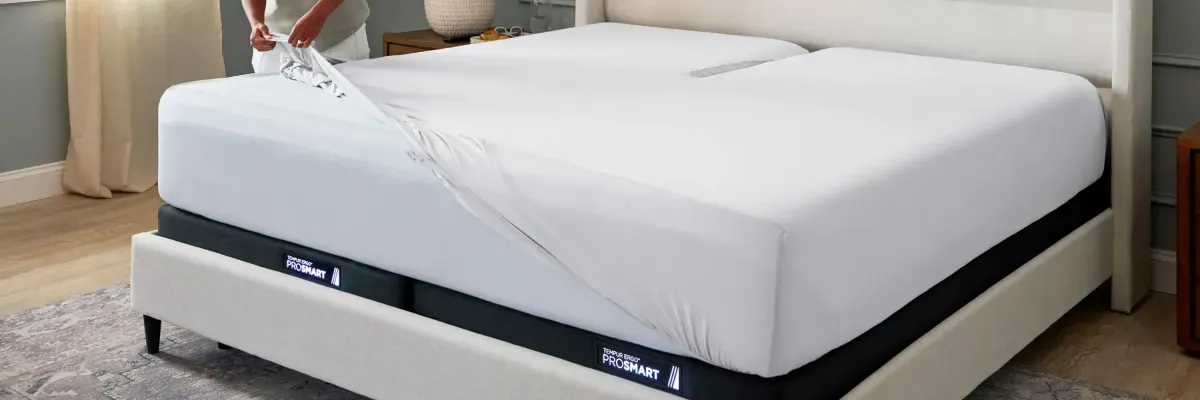
Even high-quality sheets will not perform well if they do not fit your mattress correctly.
Look for:
-
Deep pockets if you have a thick mattress or pillow-top.
-
Elastic that runs fully around the fitted sheet.
-
Strong stitching and finished seams.
Well-fitting sheets stay in place, look neater, and experience less wear from shifting and stretching.
Balance Comfort and Longevity
The best bed linens are not always the most expensive, but they are thoughtfully chosen. By focusing on fabric, weave, breathability, and care requirements, you can find sheets that feel comfortable now and continue to perform well for years to come.
Quality bed linens support better sleep, protect your mattress and pillows, and make your bed a place you actually look forward to climbing into each night.
What Are The Best Sheets? Mattress Direct Can Help
If you are unsure which sheets are right for your sleep style or mattress type, contact us or visit your local Mattress Direct showroom in Louisiana or Mississippi today. Feeling the fabrics in person can make the decision much easier. The right choice is the one that helps you sleep comfortably and confidently night after night.
We’re here to help you discover a wide range of top-rated mattresses, bedding, and adjustable bases.
Related readings from our blog:
FAQs About Choosing Bed Linens
How often should bed linens be replaced?
Most quality sheets last about two to three years with proper care. If your sheets feel rough, thin, or no longer fit well, it may be time to replace them.
What bed sheet fabric is best for hot sleepers?
Breathable materials like cotton, bamboo-derived fabrics, and Tencel are often best for hot sleepers because they promote airflow and wick away moisture.
Do microfiber sheets last as long as natural fiber sheets?
Microfiber sheets can last a long time with proper care, but they are generally less breathable and may not hold up as well as high-quality cotton or Tencel over the long term.
Should I buy separate sheets for each season?
Yes. Many people prefer lighter, breathable sheets in warmer months and warmer options such as flannel or sateen in colder seasons.
Related Articles