
Do You Need a Box Spring with a Modern Mattress?
Fri Jun 05 2026
- Adjustable Bases, Foundations & Elevated Sleep
Most modern mattresses do not require a box spring. Memory foam, hybrid, and latex mattresses are designed to perform best on solid foundations, platform beds, or adjustable bases, not traditional spring-based supports. A box spring may still be appropriate for traditional innerspring mattresses or older bed frames designed around them, but for the majority of today's mattress types, a flat, stable foundation provides better support, extends mattress life, and preserves warranty coverage.
If you're shopping for a new mattress, you've likely encountered a common question: Do you need a box spring? For decades, box springs were considered a standard part of nearly every mattress foundation setup. However, mattress technology has evolved significantly, and many of today's mattresses are designed to work with different support systems.
Understanding whether you need a box spring can help you avoid unnecessary purchases, maximize mattress performance, and create a sleep setup that provides the support and comfort you're looking for.
The answer depends on several factors, including the type of mattress you own, your bed frame, and your personal preferences. In this guide, we'll explain what box springs do, when they're still useful, and what alternatives may work better with modern mattresses.
Key Takeaways: Do You Need a Box Spring?
-
Most modern mattresses do not require a traditional box spring
-
Memory foam and hybrid mattresses often perform best on solid foundations or platform beds
-
Box springs are still useful with some traditional innerspring mattresses
-
Using the wrong support system can affect comfort, durability, and mattress performance
-
Always check manufacturer recommendations before choosing a foundation

What Is a Box Spring?
A box spring is a supportive base that sits between your mattress and bed frame. Traditional box springs contain a wooden or metal frame with springs or coils inside, covered by fabric.
Historically, box springs were designed to work alongside innerspring mattresses. The springs in the box spring absorbed some of the impact placed on the mattress, helping improve comfort and extend mattress life.
For many years, a mattress and box spring were sold as a set because they were designed to function together. While the term "box spring" is still widely used, many consumers use it to describe any mattress support system. In reality, a traditional box spring contains actual springs or coils designed to flex under pressure. This design made sense when mattresses were built almost entirely with innerspring technology.
Today's mattresses are constructed differently. Memory foam, hybrid, and specialty mattresses are often engineered to work on a firmer, more stable surface. Understanding the difference between a traditional box spring and a modern foundation can help you choose the right support system and avoid compatibility issues.
Why Were Box Springs So Popular?
For decades, box springs were considered a standard part of every mattress purchase. Older mattress constructions often lacked the sophisticated support systems found in today's models, so the box spring played a larger role in the overall sleep experience.
In addition to providing support, box springs helped absorb daily wear and tear from sitting, sleeping, and movement. This reduced stress on the mattress itself and helped extend its usable lifespan. As mattress technology improved, manufacturers began integrating many of these support functions directly into the mattress design.
Shock Absorption
Older mattresses transferred a significant amount of force through the bed. Box springs helped absorb some of that pressure.
Added Height
Box springs elevate the mattress, making it easier to get in and out of bed.
Improved Support
When paired with compatible mattresses, box springs helped distribute weight more evenly.
However, today's mattress designs often provide their own support systems, reducing the need for traditional box springs.
Why Most Modern Mattresses Don't Need a Box Spring
One of the biggest changes in the mattress industry has been the shift toward integrated support systems. Many modern mattresses are engineered with multiple layers designed to work together to provide pressure relief, spinal support, motion isolation, and durability.
Because these mattresses already contain advanced support structures, adding a traditional box spring can sometimes interfere with how they are intended to perform. Excessive flex underneath the mattress may reduce support consistency and affect overall comfort.
This is especially important for sleepers who invest in higher-quality mattresses. Choosing the proper foundation helps ensure that the mattress performs as designed and maintains its structural integrity over time.
Memory Foam Mattresses
Memory foam mattresses are engineered with multiple support and comfort layers. These mattresses generally perform best on flat, stable surfaces.
Using a traditional box spring with wide gaps or excessive flexibility may interfere with how the mattress is designed to function.
Hybrid Mattresses
Hybrid mattresses combine coils with foam comfort layers. While they contain springs, they typically don't require a traditional box spring because their support system is already integrated into the mattress.
Latex Mattresses
Latex mattresses also benefit from a sturdy, supportive foundation rather than a spring-based support system.
For these mattress types, a solid foundation often provides the most consistent support.
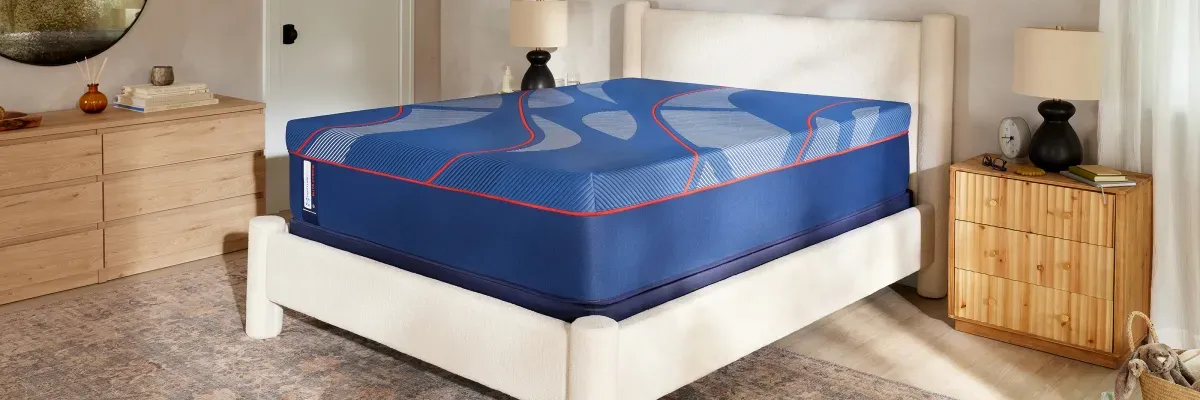
When You May Still Need a Box Spring
There are also practical reasons some shoppers continue to choose box springs. For example, older bed frames may have been designed specifically to accommodate a box spring. Replacing the support system entirely could require purchasing a new frame or modifying the existing setup.
Additionally, some people simply prefer the higher profile that a box spring creates. A taller bed can make it easier to get in and out of bed and may better match certain bedroom aesthetics.
You Own a Traditional Innerspring Mattress
Some innerspring mattresses are specifically designed to work with a box spring. In these cases, using the recommended support system helps maintain comfort and performance.
Your Manufacturer Recommends One
Always review warranty and support requirements. Some mattress manufacturers specify approved support systems.
You Prefer Additional Height
Some sleepers prefer the elevated look and feel that a box spring provides.
What Are the Alternatives to a Box Spring?
Today's mattress shoppers have more support options than ever before.
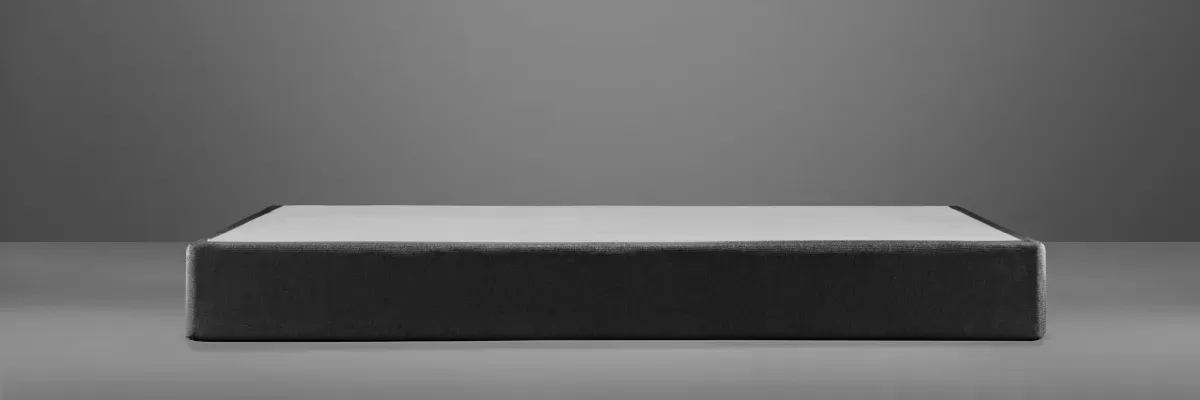
Mattress Foundations
Many mattress manufacturers now recommend foundations because they provide uniform support across the entire sleep surface. Unlike traditional box springs, foundations are designed to minimize flex while helping the mattress maintain proper alignment.
For sleepers investing in a new mattress, a foundation is often one of the simplest ways to maximize comfort and extend mattress life.
Benefits include:
-
Consistent support
-
Reduced motion
-
Better compatibility with modern mattresses
-
Improved durability
Platform Beds
Platform beds have become increasingly popular because they combine style and function. Many modern designs include closely spaced slats or solid support surfaces that eliminate the need for additional support components.
This can simplify the buying process while reducing overall bedroom clutter. For many homeowners, platform beds provide an attractive, streamlined solution that works well with a wide range of mattress types.
Advantages include:
-
Simplified setup
-
Modern appearance
-
Lower profile design
-
Strong mattress support
Browse Mattress Direct’s catalog of bedroom furniture and bed frames to see which one works best for you.
Adjustable Bases
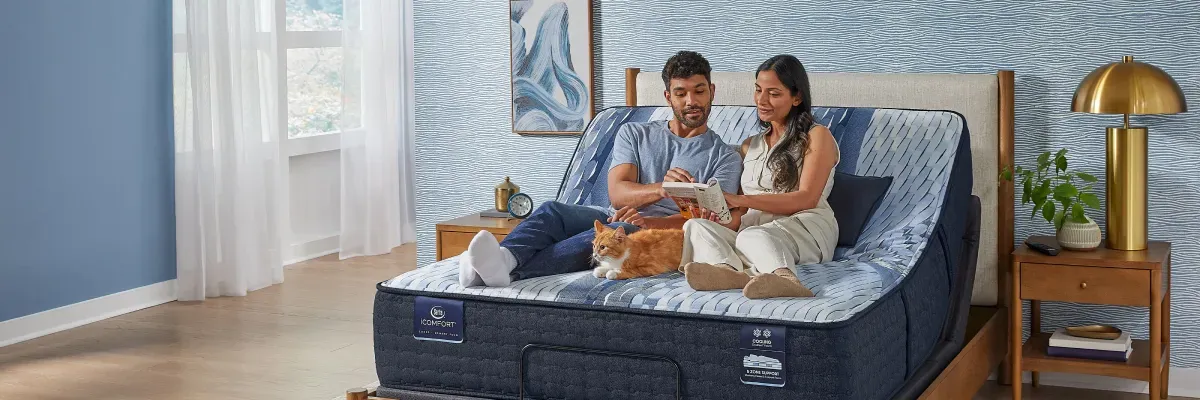
Adjustable bases are one of the fastest-growing categories in the sleep industry because they offer a level of customization that traditional support systems cannot match. Rather than serving solely as a foundation, they allow sleepers to modify their sleeping position to suit their comfort preferences.
Many people enjoy using adjustable bases for reading, watching television, working on a laptop, or simply finding a more comfortable position before falling asleep. This flexibility has made adjustable bases increasingly popular among a wide variety of sleepers.
Benefits include:
-
Head and foot elevation
-
Flexible positioning
-
Enhanced comfort
-
Modern compatibility
How the Wrong Support System Can Affect Your Mattress
Many shoppers focus heavily on mattress selection while overlooking the importance of the support system underneath. However, even the highest-quality mattress may struggle to perform properly if it is not adequately supported.
A support system acts as the foundation for your entire sleep setup. If it is uneven, damaged, or incompatible with your mattress, you may notice changes in comfort, support, and overall sleep quality long before the mattress itself reaches the end of its lifespan.
Uneven Wear
Insufficient support may cause certain areas of the mattress to bear more weight than intended.
Reduced Comfort
A mattress that isn't properly supported may not feel as comfortable as designed.
Shortened Lifespan
Over time, improper support can contribute to premature wear and reduced durability.
Warranty Concerns
Many mattress warranties require proper support systems. Failing to follow manufacturer recommendations could affect warranty coverage.
How to Choose the Right Support System
When selecting a support system, think beyond your immediate needs. If you expect to upgrade your mattress in the future or want the option to add an adjustable base later, choosing a versatile support system now may save time and money down the road.
A good support system should complement your current mattress while providing enough flexibility to accommodate future changes to your sleep setup.
When selecting a support system, consider the following:
Mattress Type
Different mattress constructions have different support requirements.
Bedroom Style
Your bed frame and bedroom aesthetic may influence your choice.
Desired Height
Some sleepers prefer a taller bed, while others like a lower profile setup.
Future Flexibility
If you're considering an adjustable base later, it may make sense to choose a compatible mattress now.
Common Myths About Box Springs
The mattress industry has changed dramatically over the past decade, but many consumers still rely on outdated information when shopping for a new bed. Understanding the facts behind common box spring myths can help you make a more informed purchasing decision and avoid spending money on products you may not actually need.
Myth #1: Every Mattress Needs a Box Spring
This was often true decades ago, but many modern mattresses no longer require one.
Myth #2: Box Springs Improve Every Mattress
Some mattress types actually perform better on solid foundations than on traditional box springs.
Myth #3: Box Springs Last Forever
Like mattresses, box springs can wear down over time and may eventually need replacement.
Should You Replace Your Box Spring When Buying a New Mattress?
In many cases, yes.
If your current box spring is old, damaged, or incompatible with your new mattress, replacing it may help ensure proper support and performance.
When purchasing a new mattress, it's a good opportunity to evaluate your entire sleep setup and determine whether a foundation, platform bed, or adjustable base may be a better fit.
Even if your current box spring appears to be in good condition, it may not provide the level of support that a new mattress requires. Materials naturally wear down over time, and small changes in support can become more noticeable when paired with a brand-new mattress.
Evaluating your entire sleep system, not just the mattress itself, can help ensure you get the maximum comfort and value from your investment.
Build the Right Sleep Foundation at Mattress Direct
The answer to "Do you need a box spring?" depends on your mattress and sleep setup. While many modern mattresses no longer require a traditional box spring, choosing the right support system remains essential for comfort, durability, and long-term performance.
At Mattress Direct, our team can help you find the right mattress, foundation, bed frame, or adjustable base to create a sleep environment tailored to your needs.
Explore Mattress Direct’s bedding and sleep accessories to build a more comfortable, longer-lasting sleep environment. We carry a selection of all your bedding needs from top brands in the industry such as Beautyrest, Serta, Sealy, Tempur-Pedic, Aireloom, and more, so our customers can explore a wide variety of options with peace of mind and confidence.
Contact us today or visit your local Mattress Direct showroom in Louisiana or Mississippi.
Related Readings from our blog:
FAQs: Do You Need a Box Spring with a Modern Mattress?
Do all modern mattresses need a box spring?
No, most modern mattresses do not require a traditional box spring. Memory foam, hybrid, and many specialty mattresses are designed to work best on solid foundations, platform beds, or adjustable bases. Using the support system recommended by the manufacturer helps ensure proper performance and longevity. Always review the mattress specifications before making a purchase.
Can I put a memory foam mattress on a box spring?
In many cases, a traditional box spring is not the ideal support system for a memory foam mattress. Memory foam generally performs best on a flat, stable surface that evenly supports the mattress. Some box springs may allow too much flex, which can affect comfort and durability. A foundation or platform bed is often a better choice.
What's the difference between a box spring and a foundation?
A box spring contains coils or springs designed to absorb movement and support traditional innerspring mattresses. A foundation provides a firmer, more stable surface without internal springs. Foundations are typically better suited for modern mattress constructions, including foam and hybrid models. The best option depends on your mattress type and support requirements.
Can an old box spring damage a new mattress?
An old or worn-out box spring can potentially affect the support and performance of a new mattress. If the box spring has weakened areas, broken components, or uneven support, it may contribute to premature wear. Before placing a new mattress on an existing support system, inspect it carefully for signs of damage. Replacing an aging box spring may help maximize mattress lifespan and comfort.
Related Articles